Research
Academic profile, current research projects, and team members.
About Me
Since 2022, I am a BELSPO FED-tWIN Assistant Professor (Tenure-track) and Research Scientist at the Centre for mathematical Plasma Astrophysics (CmPA) of KU Leuven and the Royal Belgian Institute for Space Aeronomy (BIRA-IASB).
My work focuses on the development, implementation, and application of numerical methods for astrophysical plasma simulations, with emphasis on particle-in-cell methods and high-performance computing. I investigate fundamental plasma processes — such as magnetic reconnection, turbulence, and particle acceleration — in environments ranging from the solar wind to black hole magnetospheres.
I obtained my PhD in Mathematics from KU Leuven in 2018, under the supervision of Giovanni Lapenta. I then held postdoctoral positions at Goethe Universität Frankfurt am Main (2019), KU Leuven as FWO Postdoctoral Fellow (2019–2020), and the University of Colorado Boulder as CIPS Postdoctoral Fellow (2020–2022), before returning to KU Leuven as faculty.
Current Research Projects
Click to expand each research area
☀️ Solar and heliospheric plasma physics
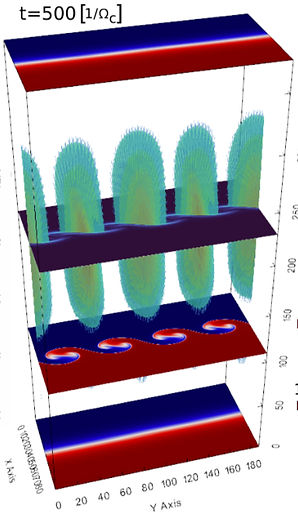
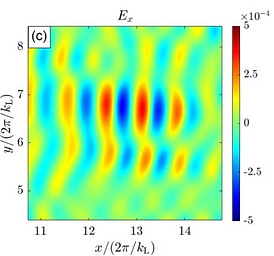
Part of my work is dedicated to fundamental plasma processes in the near-Earth environment, studied with first-principles and fluid approaches (or a combination thereof).
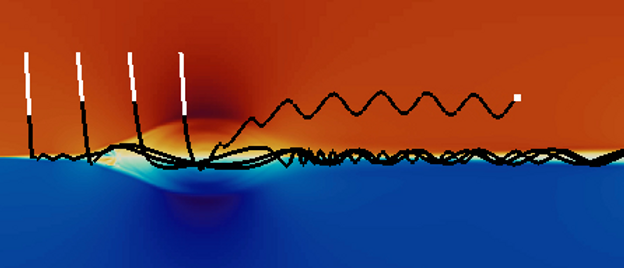
Among other works, I have investigated the decay of large-scale Alfvén waves (AWs) into small-scale kinetic AWs (KAWs). This study was published in Physical Review Letters. I have also analyzed the production of radio waves from basic plasma processes, the trapping and acceleration of particles in solar coronal loops, and the propagation of shocks driven by coronal mass ejections.
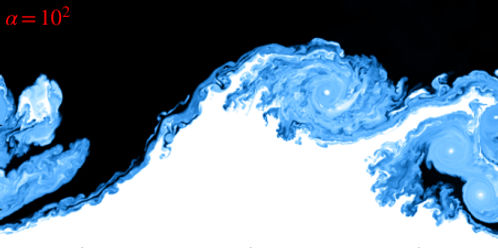
Several members of my team now continue this line of research under my supervision, studying e.g. plasma mixing at the Earth’s magnetosphere and kinetic instabilities in the solar wind.
🌀 High-energy plasmas around compact objects
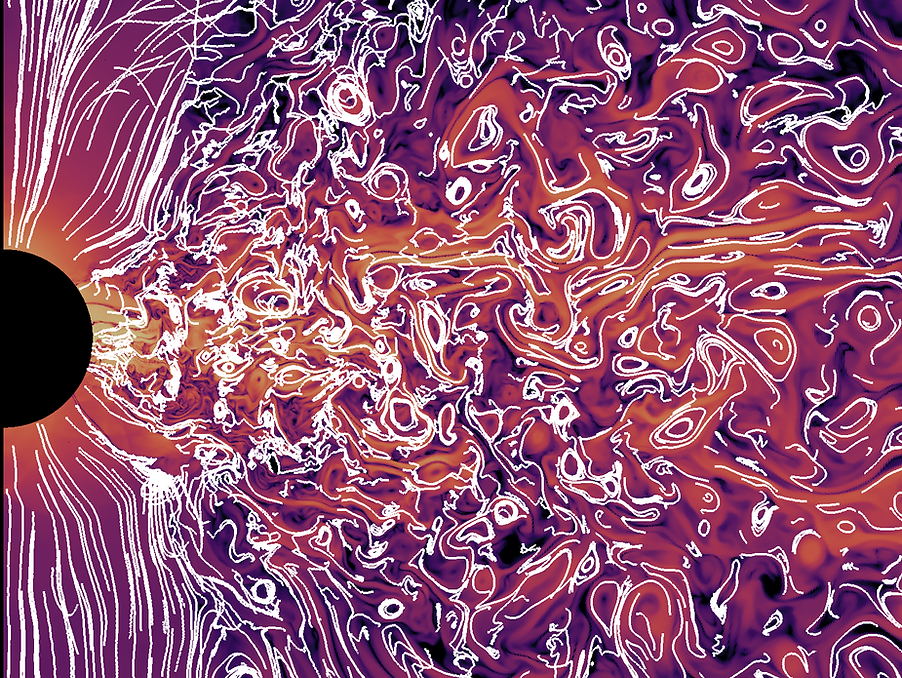
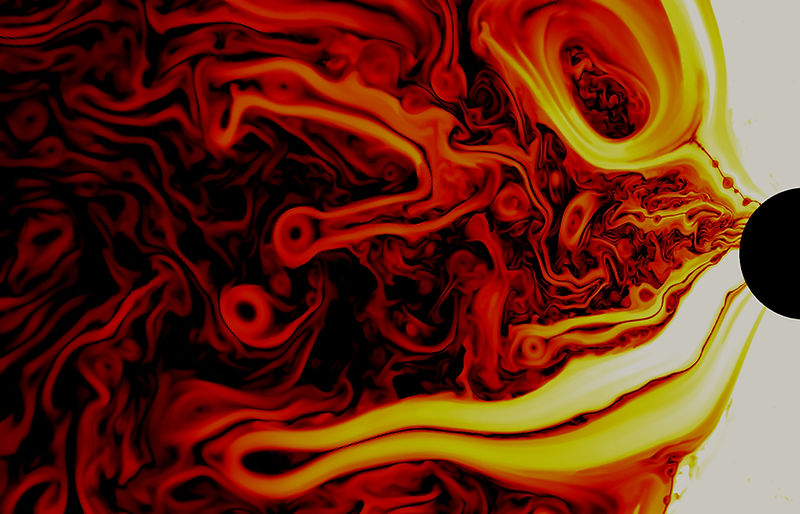
I am fascinated by high-energy astrophysical plasmas such as those found around black holes and neutron stars. To investigate plasma phenomena in these environments, leading to potentially observable emission, I use first-principles as well as fluid approaches to plasma simulations.
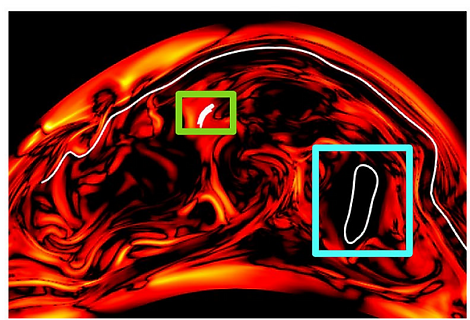
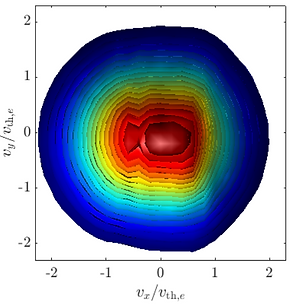
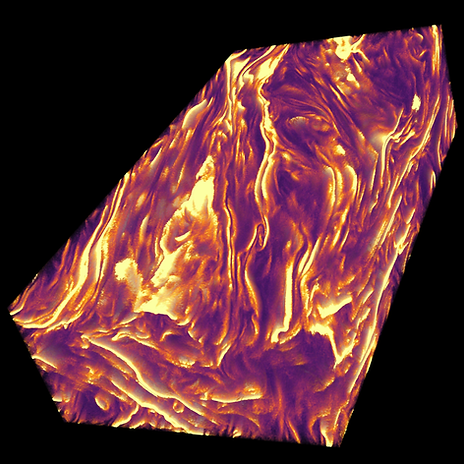
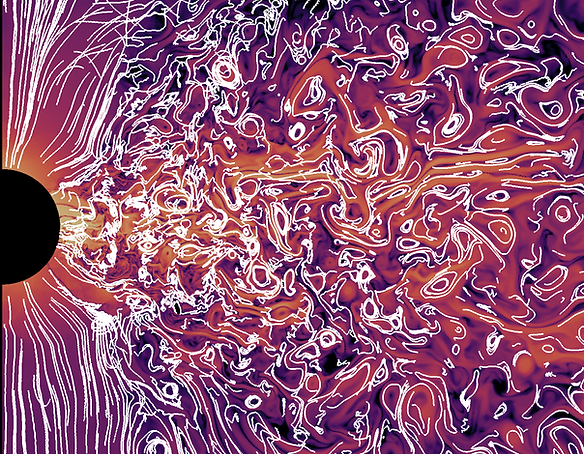
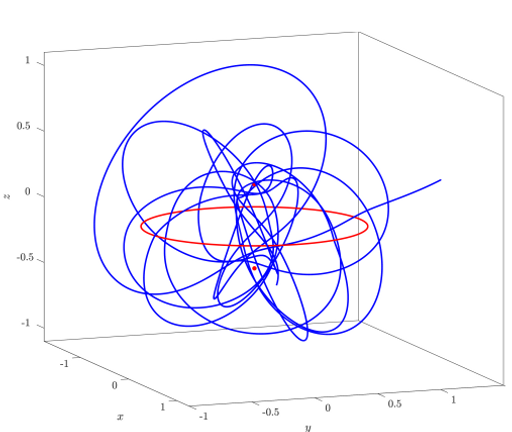
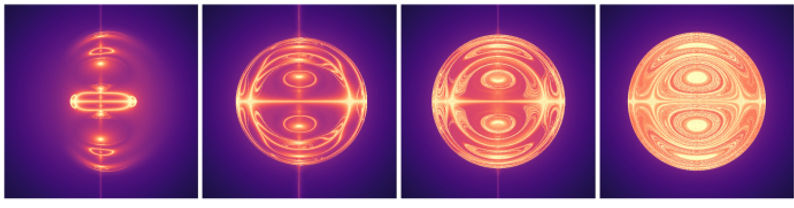
My latest work on plasma turbulence in astrophysical accretion disks, using fully kinetic simulations to capture all the cross-scale physics involved in the process, has been recently published in Physical Review Letters for local (“shearing-box”) and global simulations. I have also worked on general-relativistic magnetohydrodynamic simulations of accreting and flaring plasmas around black holes, as well as more localized, fundamental phenomena such as relativistic magnetic reconnection and charged-particle motion in the surroundings of compact objects.
My research group as well as collaborators continue these endeavors, focusing on plasma turbulence in black-hole coronae, accretion under the influence of density stratification, etc.
🔬 Multiscale methods for plasma simulations
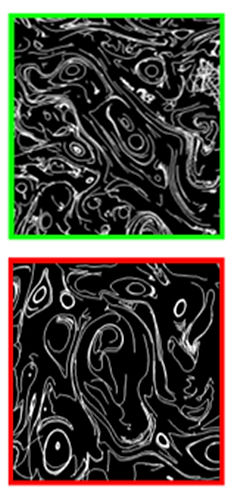
I have devoted significant effort to combining different numerical approaches to construct new theoretical models of plasmas encompassing different physical regimes. This includes designing and applying a variety of multiscale, multiphysics tools, where e.g. fluid and particle simulations of plasmas can be run concurrently, exchanging information between the phenomena at large and small scales.
I recently developed the first relativistic, semi-implicit Particle-in-Cell code for kinetic plasma simulations, that can significantly outperform standard (i.e. explicit) approaches. Among other works, I have also constructed hybrid algorithms to capture charged-particle motion at wildly different scales, and produced the first particle-tracing simulations in a general-relativistic magnetohydrodynamic setup.
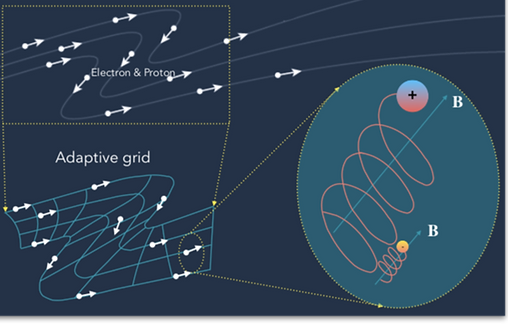
My research group actively develops new methods to expand the reach of theoretical plasma physics by means of numerical simulations. For example, we have recently produced adaptive Particle-in-Cell methods to capture, e.g., the expanding solar wind from first principles.
🧵 String theory and black holes
The applicability of numerical methods developed at KU Leuven is not limited to plasma simulations. A collaboration with colleagues from high-energy physics identified a common ground between our research fields in the imaging of compact objects such as black holes. This can be done using the exact same numerical approaches used to track particles in plasmas.
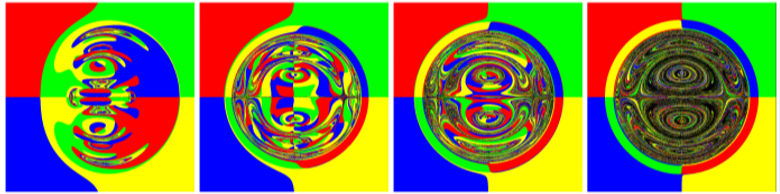
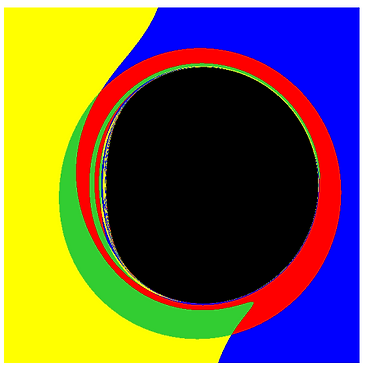
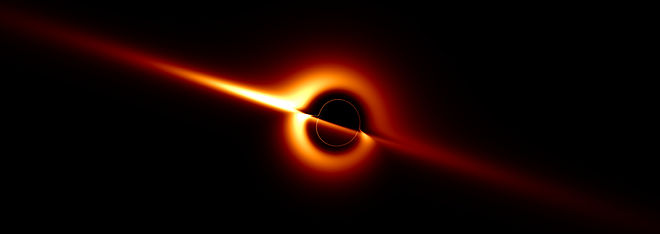
In particular, we focused on studying string-theoretical objects that can replace black holes, possessing the same observational properties but none of the theoretical complications associated with event horizons and singularities. We have imaged such an object (a “fuzzball”) for the first time in 2021, publishing our work in Physical Review Letters. This first-ever visualization of a string-theoretical black hole, whose properties may diverge enough from classical relativity to be detectable in observations, helps in providing a “smoking gun” evidence for string-theoretical observables in our Universe.
This work continues in follow-up works also involving students, showing how this initiative effectively constitutes a new, interdisciplinary research line.
💻 High-performance scientific computing
I am passionate about the development, application, maintenance, and distribution of state-of-the-art simulation tools employed in astrophysical research. These codes target fluid (magnetohydrodynamics or MHD), kinetic (Particle-in-Cell or PIC), and multiphysics simulations of astroplasmas. Part of this effort is dedicated to enhance these codes’ capability of running efficiently on massively parallel infrastructures.
The codes I contribute to include: the MHD code MPI-AMRVAC and its spinoff BHAC; the PIC codes iPiC3D (and its derivatives, e.g. ECsim) and Zeltron; the ray-tracing code FOORT; and several other PIC and MHD codes. New codes are constantly being constructed as a continued effort to obtain more efficient tools and explore previously inaccessible physical regimes.
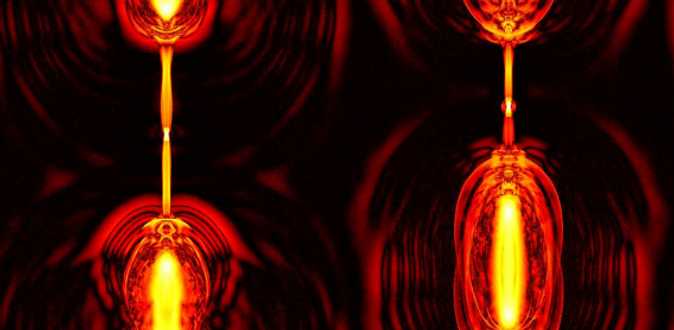
In the context of merging scientific research with the newest computing technologies, I am part of the large-scale EuroHPC-SPACE project funded by the European Union to port several state-of-the-art astrophysical codes to GPUs.

Research Group
Current team members
Postdoctoral Fellows
Dr. Daniel Grošelj
FWO Postdoctoral Fellow
Dr. Nicolas Moens
Postdoctoral Fellow
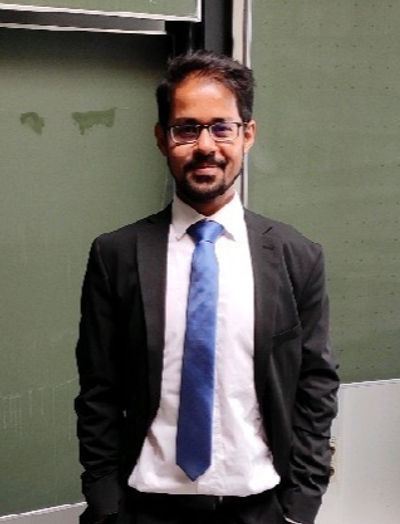
Dr. Pranab Deka
Postdoctoral Fellow
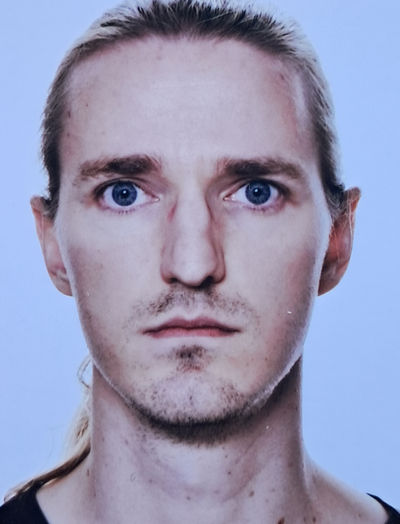
Dr. Paul Els
Postdoctoral Fellow
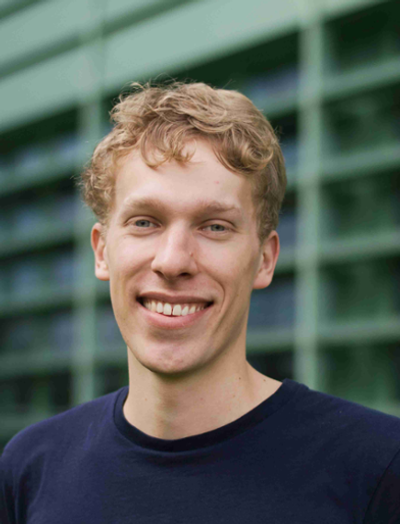
Dr. Jesse Vos
FWO Postdoctoral Fellow
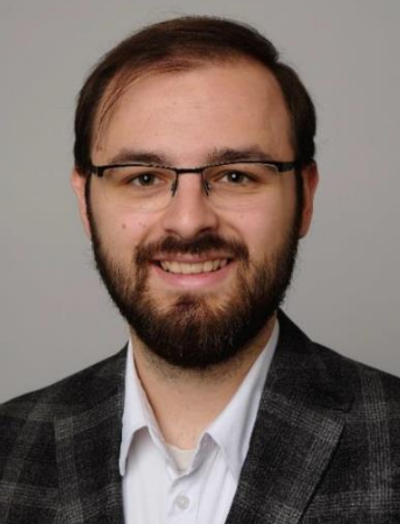
Dr. R.-Paul Wilhelm
Postdoctoral Fellow
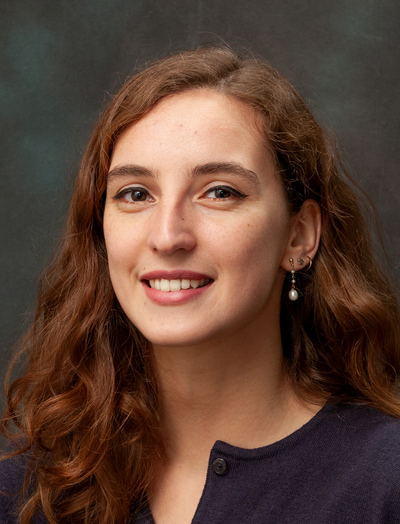
Dr. Camille Lorfing
Postdoctoral Fellow
PhD Students
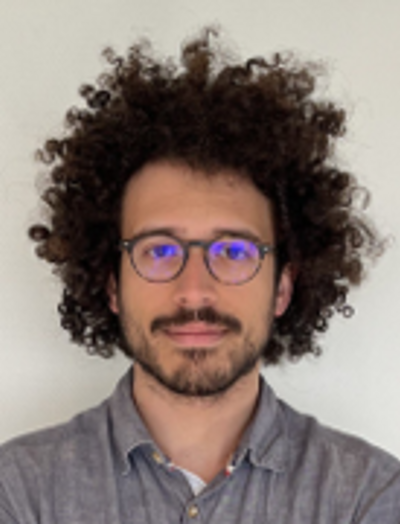
Luca Pezzini
FWO PhD Student
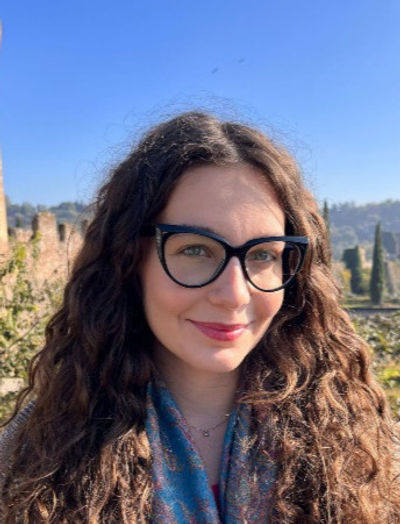
Clarissa Mora
FWO PhD Student
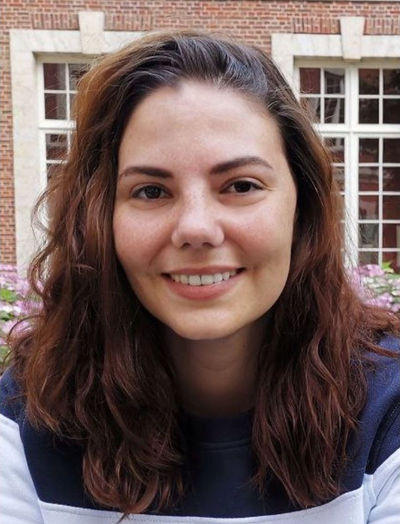
Silvia Ferro
FWO PhD Student
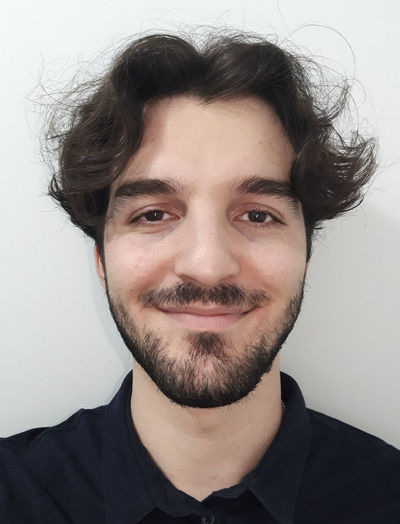
K.-Xanthos Argyropoulos
PhD Student
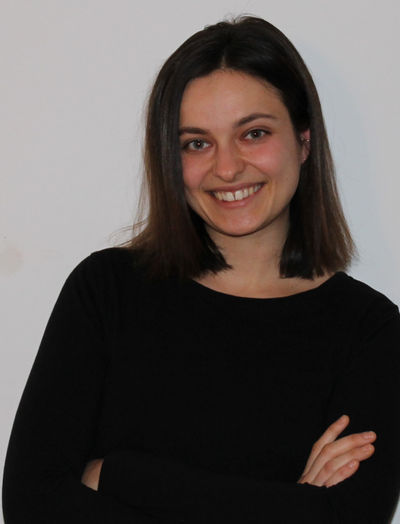
Nadja Reisinger
FWO PhD Student
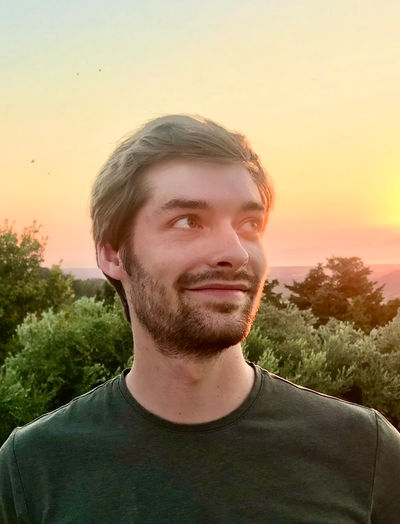
Maximilien Peters de Bonhome
PhD Student
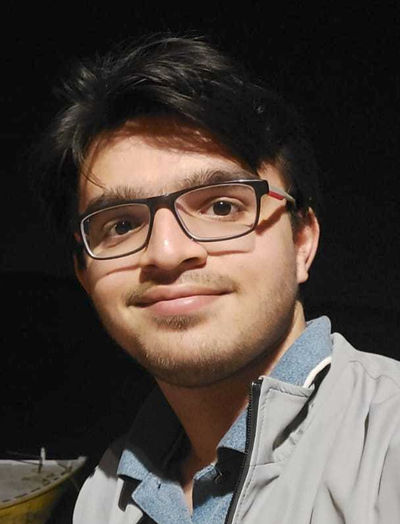
Saksham Pande
PhD Student
Co-supervised

Daniela Maci
PhD Student (co-supervision)
Olaf Willocx
PhD Student (co-supervision)
Former Group Members
Dr.Evgeny Gorbunov
now at University of Maryland
Dr.Camille Granier
now at University of Maryland / CITA